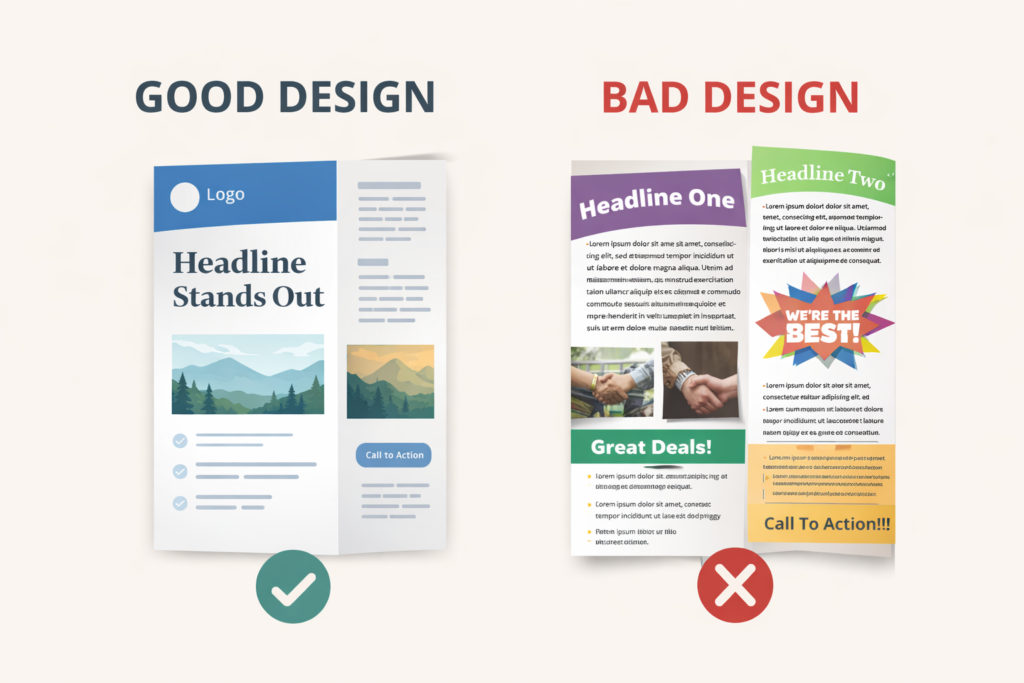
In business, first impressions are rarely second chances. Long before a customer reads your copy, understands your offering, or visits your website, they’ve already formed an opinion—based entirely on design.
Professional design isn’t about making things “look pretty.” It’s about clarity, credibility, and communication. When design is done well, it works quietly in the background, guiding the reader, building trust, and reinforcing your brand. When it’s done poorly, it actively works against you.
This article explores why hiring a professional designer matters, using real examples of poorly designed print materials to show what goes wrong—and how expertise makes the difference.
The Hidden Cost of Poor Design
Poor design doesn’t just look unpolished—it creates friction. It confuses readers, weakens credibility, and often causes potential customers to disengage before they ever understand your message.
Common consequences include:
- Lower response rates
- Reduced trust in your brand
- Missed sales opportunities
- Materials that must be reprinted or redesigned later
A professional designer helps you avoid these pitfalls by designing with intent, hierarchy, and usability, not guesswork.
Example 1: Cluttered Layouts With No Visual Hierarchy
What Goes Wrong
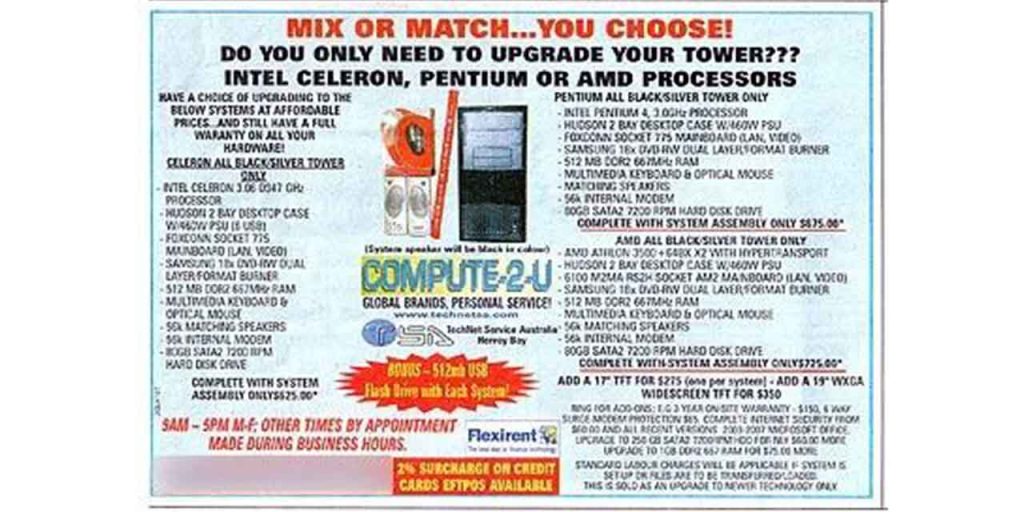
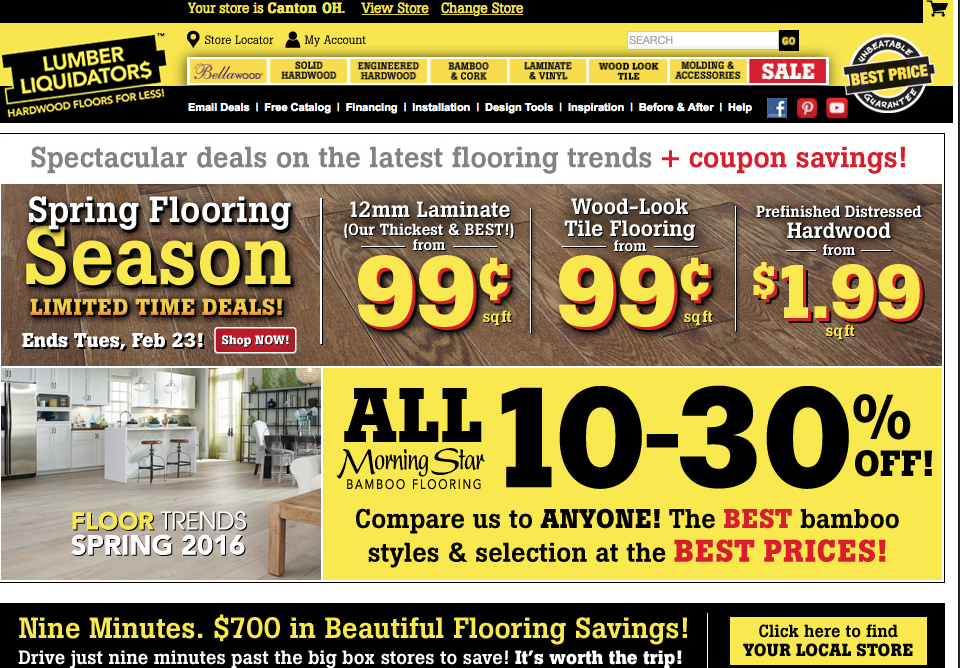
One of the most common design mistakes is trying to say everything at once. These brochures often feature:
- Dense blocks of text
- Multiple font styles competing for attention
- No clear headline or entry point
- Little to no white space
The result is overwhelming. Readers don’t know where to start, so they don’t.
How a Professional Fixes It
A trained designer establishes visual hierarchy—using scale, spacing, typography, and layout to guide the reader naturally through the content. Important information stands out, supporting details recede, and white space gives the eye room to rest.
Example 2: Poor Typography Choices

What Goes Wrong
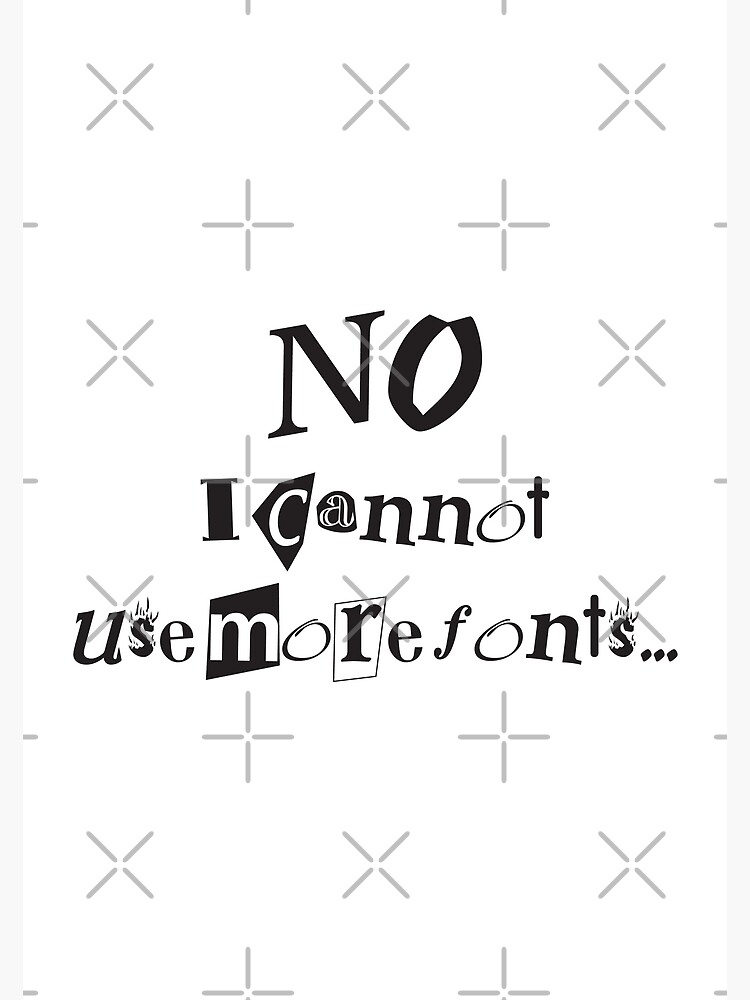
Typography is one of the most underestimated aspects of design. Poorly designed materials often include:
- Too many fonts
- Decorative or novelty fonts used for body text
- Inconsistent spacing and alignment
- Fonts that don’t match the brand’s tone
Even if the content is strong, poor typography makes it difficult to read—and harder to trust.
How a Professional Fixes It
Professional designers understand typographic systems. They choose fonts that align with your brand personality, ensure readability, and create consistency across headlines, body text, and supporting elements.
Typography isn’t decoration—it’s structure.
Example 3: Low-Quality or Irrelevant Imagery


What Goes Wrong
Blurry images, stretched photos, and generic stock visuals instantly signal low quality. In print especially, these mistakes are magnified and permanent.
Common issues include:
- Low-resolution images used in print
- Stock photos that feel disconnected from the brand
- Visuals that add clutter instead of meaning
How a Professional Fixes It
A professional designer selects or sources imagery with purpose and technical precision. They understand resolution requirements, color profiles, and how images should support—not compete with—the message.
Good imagery reinforces credibility. Bad imagery erodes it.
Example 4: Inconsistent Branding

What Goes Wrong
Inconsistent colors, fonts, and layouts create confusion. When a brochure doesn’t visually align with your website, packaging, or signage, it weakens brand recognition and trust.
This often happens when materials are designed piecemeal or without a clear brand system.
How a Professional Fixes It
Professional designers work within—or help create—brand guidelines. They ensure every piece of print material feels like it belongs to the same family, reinforcing recognition and professionalism across all touchpoints.
Design Is Problem-Solving, Not Decoration
A common misconception is that design is subjective or purely aesthetic. In reality, professional design is strategic. Designers ask questions like:
- Who is this for?
- What action should they take?
- What information matters most?
- How will this be used—in hand, on a counter, or at a distance?
These decisions shape every layout choice, font selection, and color decision.
When Hiring a Professional Designer Makes the Most Sense
You should strongly consider hiring a professional designer when:
- Your materials represent your brand publicly
- You need clarity, not clutter
- You want consistency across multiple platforms
- You value long-term brand credibility
Professional design isn’t about perfection—it’s about effectiveness.
Final Thought: Good Design Earns Trust Quietly
The best design doesn’t shout. It doesn’t distract. It simply works.
When you hire a professional designer, you’re not just paying for visuals—you’re investing in clarity, credibility, and communication. And in a competitive market, those are advantages worth having.
No Comments yet!